Style
Personal Style: A Quiz and a Practical Guide to Finding Yours
Your personal style is a repeatable pattern of shapes, fabrics and colours, not a single look.
Personal style is the repeatable set of silhouettes, colours and fabrics that make you feel like yourself. Most people start from one of four points: classic, soft, relaxed or bold. Take the quiz, then check the result against an ordinary week.
Personal style is a pattern, not a costume
People often assume personal style is a fixed identity that you either have or lack. In practice it is a pattern. It shows up in the same few decisions you make without thinking: the neckline you choose, the shoe you reach for when you are late, the colour you keep coming back to.
That pattern can be found, described and refined. The quiz below gives you a starting point across six areas. It does not tell you what to wear forever. It tells you which family of choices already fits the way you live.
Take the quiz
Answer each question with the option closest to what you actually do, not what you would like to be seen doing. Aspirational answers produce a result that does not match your closet, and that mismatch is the reason many people buy clothes that never get worn.
Find your starting style
Six questions. Choose the answer closest to what you actually do, not what you aspire to.
The four starting points
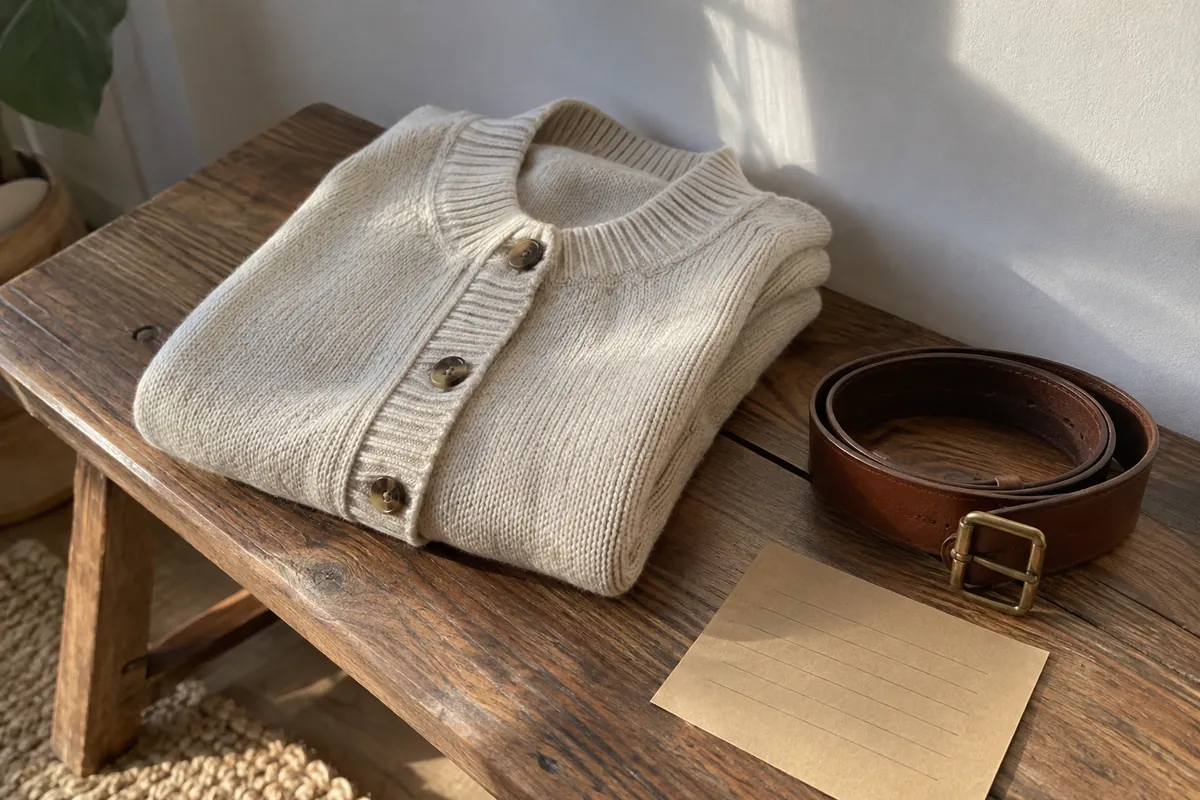
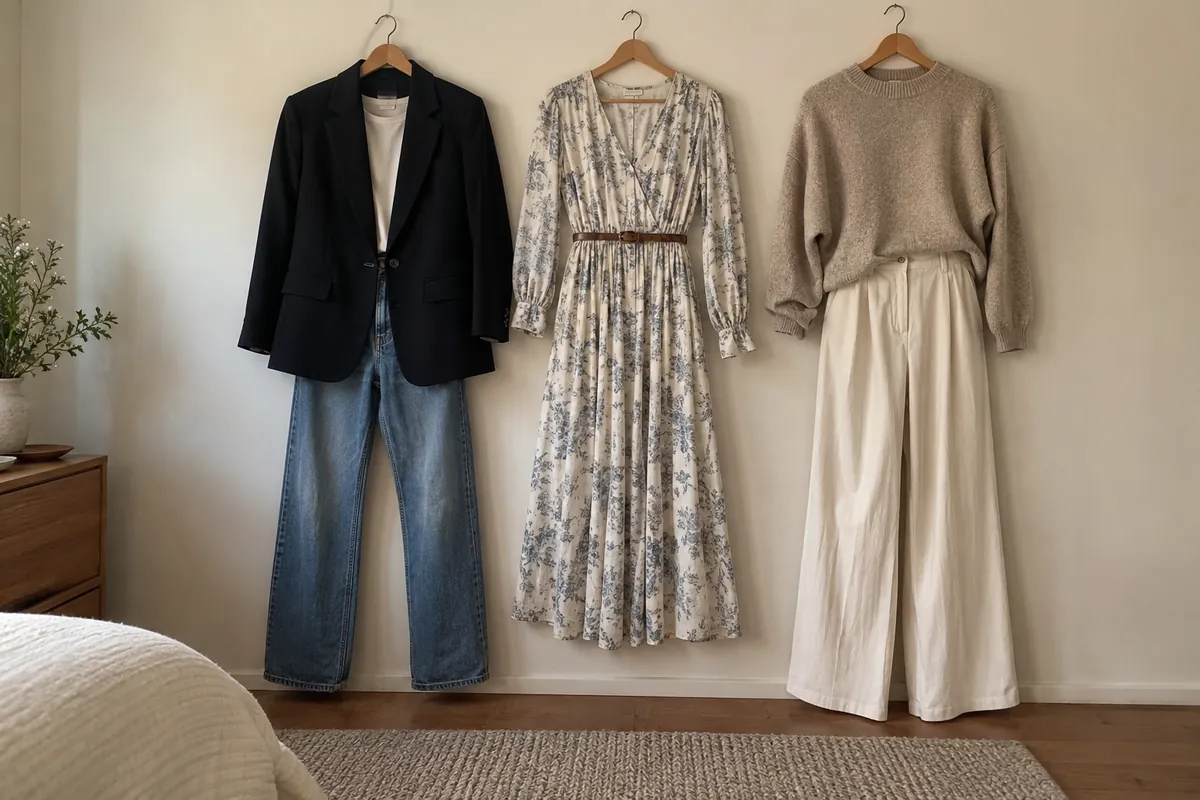
Classic and tailored. You trust clean lines, good cloth and clothes that look deliberate. Your wardrobe is built around a blazer, straight trousers, crisp shirts and knitwear. Accessories tend to be quiet, such as a watch, simple studs or a structured bag.
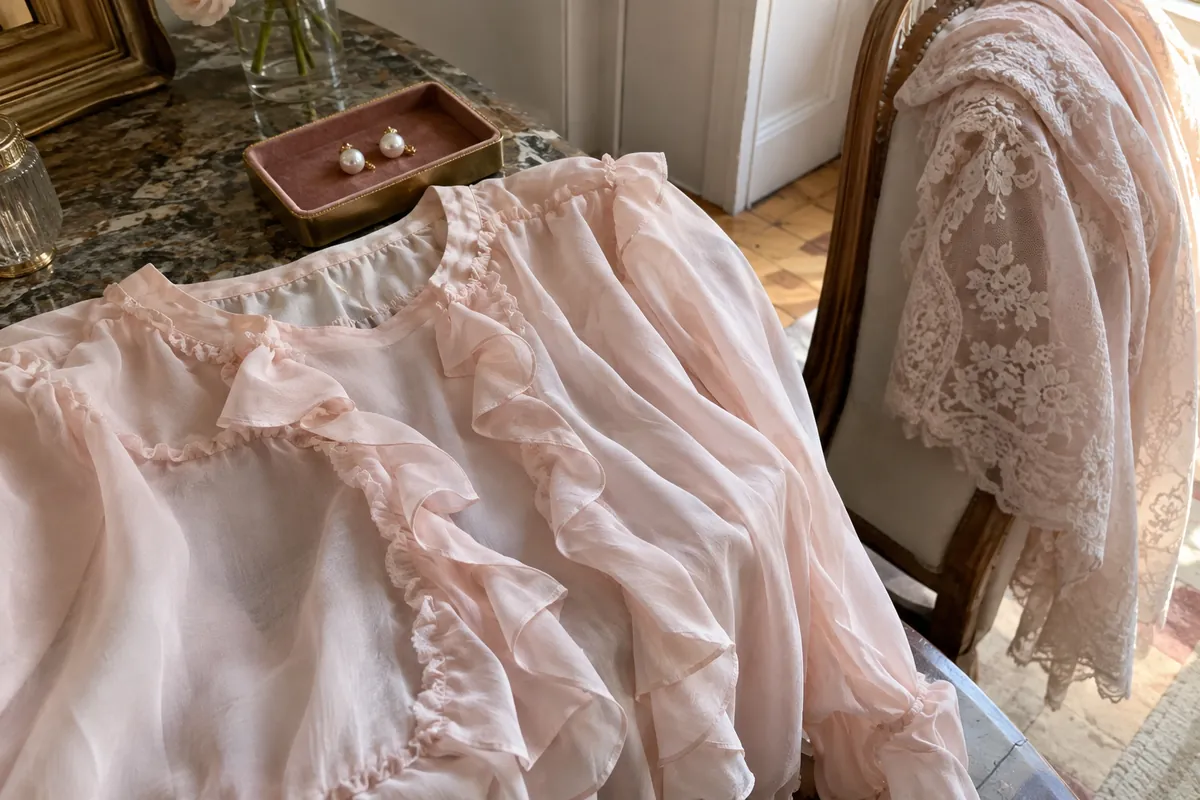
Soft and romantic. You are drawn to movement, texture and gentle colour. Midi lengths, wrap shapes, fine knits and small details like pearls or lace suit you. The risk is excess: too many soft pieces at once can look like a costume, so anchor them with a neutral base.
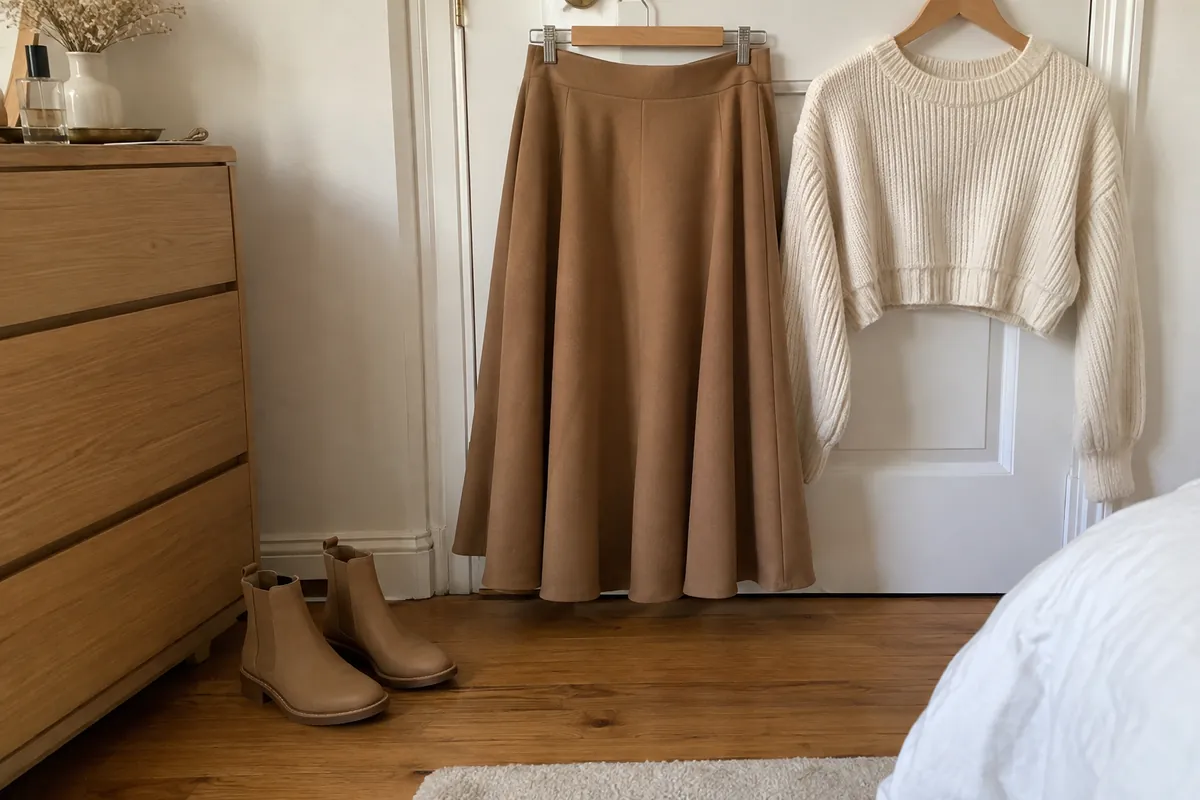
Relaxed and easy. Comfort is part of the style for you, and that is a legitimate aim. Choose well-cut basics, washable knits, wide-leg trousers and shoes you can walk in. Add one structured piece, such as a jacket with shape, so the outfit reads as chosen rather than casual by default.
Bold and graphic. You like a statement. One strong colour or print per outfit usually works better than several competing ones. Invest in a single piece with real presence, such as a coat, a sculptural bag or a printed silk scarf, and keep the rest of the palette calm.
How to test the result
A quiz result is a hypothesis. Test it for two weeks. Each morning, note which outfit you put on and whether you felt like yourself in it. At the end of the fortnight, look for patterns: the same silhouettes, the same colour families, the same types of shoe.
If the pattern matches your quiz result, you have a working style. If it does not, you may be between two families, which is common. A relaxed person who loves structure, or a soft dresser who wants bolder colour, can combine two starting points without losing coherence.
Build a wardrobe around your style
Once you know your starting point, turn it into rules you can apply when shopping:
- Choose three fabrics you like touching and avoid the ones you only tolerate.
- Pick a silhouette for the top and one for the bottom, so the outfit has a clear shape.
- Limit the colour palette to a base of two or three neutrals and one accent.
- Decide on your signature accessory. Most people look more put together with one reliable accessory than with five occasional ones.
These rules also make shopping faster. If a new item breaks two of them, leave it on the shelf, however attractive it is.
Common mistakes
Copying one influencer. A look that works on someone else's body, budget and week may not work on yours. Use inspiration to identify the elements you like, then translate them into your own fabrics and shapes.
Buying for the person you want to become. A closet full of clothes for a life you do not lead creates guilt, not style. Start from the week you have now and adjust gradually.
Ignoring fit. Good style depends heavily on fit. A slightly too-long sleeve or a shoulder seam that sits off the bone makes even expensive clothes look careless. Budget for one tailor visit per season before you buy more pieces.
Turning a result into a shopping list
Suppose your result is soft and romantic, but your closet is mostly dark, structured clothing that you wear to the office. Do not throw it out. Translate the result into three specific changes you can make over two months.
The first change is fabric. Choose one soft fabric you like, such as a fine crepe or a silk-look blouse, and make it your entry piece. The second is colour: keep the dark base but add a blush or sage top that sits close to your face. The third is detail: one piece with a gentle detail such as a tie neck, a small pleat or a pearl button.
Write the three changes on a card and keep it in the wardrobe. When you shop, check each item against the card. If it fits none of the three, it is not your next purchase, however attractive it is.
Frequently asked questions
Can my personal style change over time?
Yes, and it often does. Your fabrics, colours and shapes may shift with your job, your climate and your confidence. Re-take the quiz once a year, or whenever your week changes significantly.
What if I score evenly across two styles?
That is a good sign. Choose the one that matches your day-to-day life more closely, then borrow one element from the second as an accent. A classic dresser with a soft streak might choose a blazer in a dusty rose.
Does personal style depend on body shape?
Shape affects which silhouettes are comfortable and flattering, but it does not decide your style. Personal style describes the feeling and the choices you make. Tailoring and fit then adapt those choices to your body.
How much should I spend to build a style?
There is no fixed budget. Focus on the three to five pieces you will wear most, and buy those in the best quality you can afford. You can read more about measuring value in the cost per wear guide.
Where to go next
Use the capsule wardrobe guide to turn your style into a list of pieces, and the undertone guide to choose the colours that suit you best.