Investing in Yourself
Investing in Your Style: Where a Wardrobe Budget Should Go
Spending on yourself works best when the money goes where you will notice it every day.
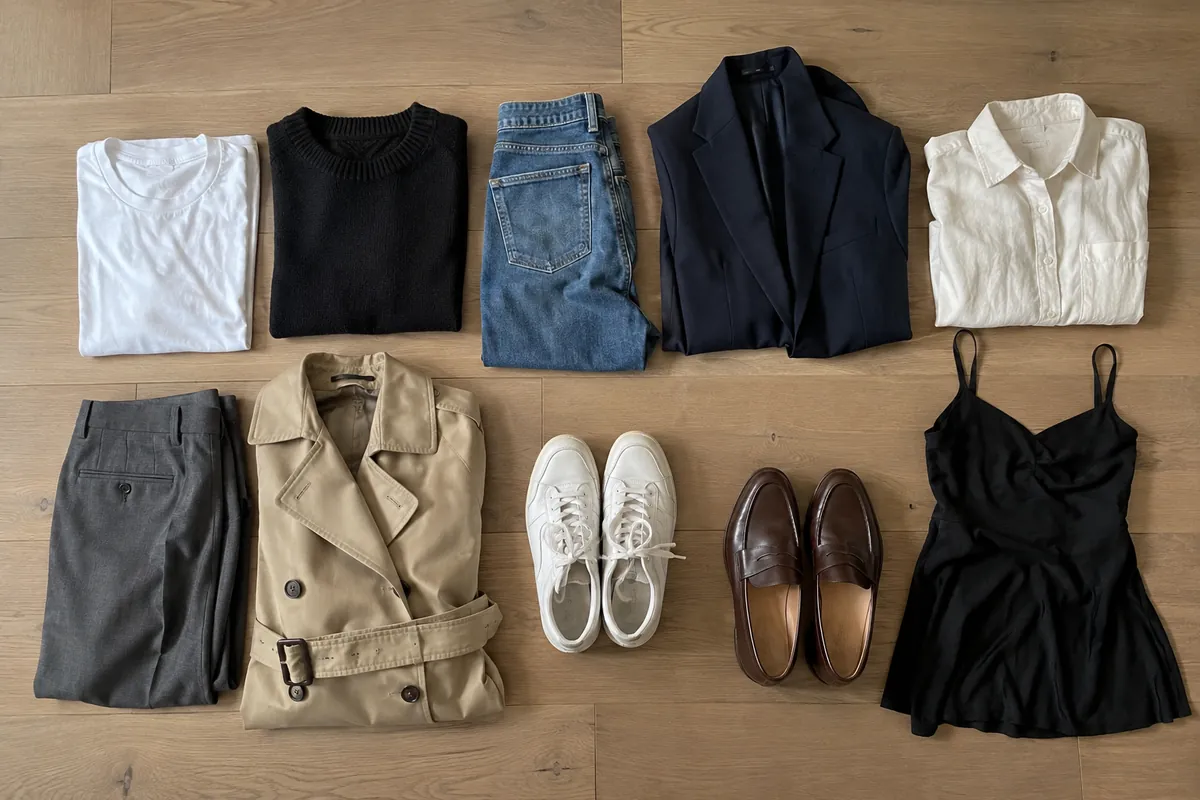
Invest your clothing budget in order of daily impact: fit and tailoring first, then the pieces you wear every week such as shoes, outerwear and one everyday bag, then occasion pieces. Spend less on trends you will drop within a season.
Invest in fit first
Fit affects how every garment looks and feels, and it is the cheapest upgrade with the largest effect. A tailor can improve a shirt, trousers or a jacket that you already own. Before you buy anything new, ask whether an alteration would make your existing clothes work better.
Next, the pieces you wear every week
Shoes, outerwear and one everyday bag are used more than almost anything else in a wardrobe. Spending a little more on these items usually produces the best value. Comfort, durability and a versatile colour matter more than a visible label.
Then, occasion pieces
A dress for a wedding or a suit for an interview is worn rarely, so the cost per wear depends on how often you can reuse it. Choose a neutral or a classic cut that can serve more than one event. The cost per wear guide shows how to compare these options.
Spend less on short-lived trends
A trend that will be out within a season is rarely worth a high price. Buy trend items second-hand, borrow them or choose a lower price point. Keep the budget for pieces that will still be in your wardrobe in two years.
Common mistakes
Spending heavily on the one piece that you see least, such as a dress for a single annual event, while leaving shoes and outerwear unchanged is a common trap. Check which items you actually touch every day, and fund those first.
Skipping alterations on a good purchase is another. A new jacket that needs its sleeves shortened is a better use of money once tailored than an untailored replacement.
Look after what you own
Storage, cleaning and repair protect the value of a purchase. Hang structured pieces, keep knits folded, polish leather shoes and replace worn heel tips early. Small maintenance costs are part of the real price of any item.
For the planning side, read the capsule wardrobe guide.