Fashion
5 Tips for Shopping the Sales Without Regret
A sale only saves money when you would have bought the item at full price.
To shop sales well, write a list before you go, decide your maximum price per wear, check the return policy, buy for gaps rather than urges and wait 24 hours on anything you cannot name an outfit for. A discount only saves money on an item you would have bought anyway.
Write the list before the sale starts
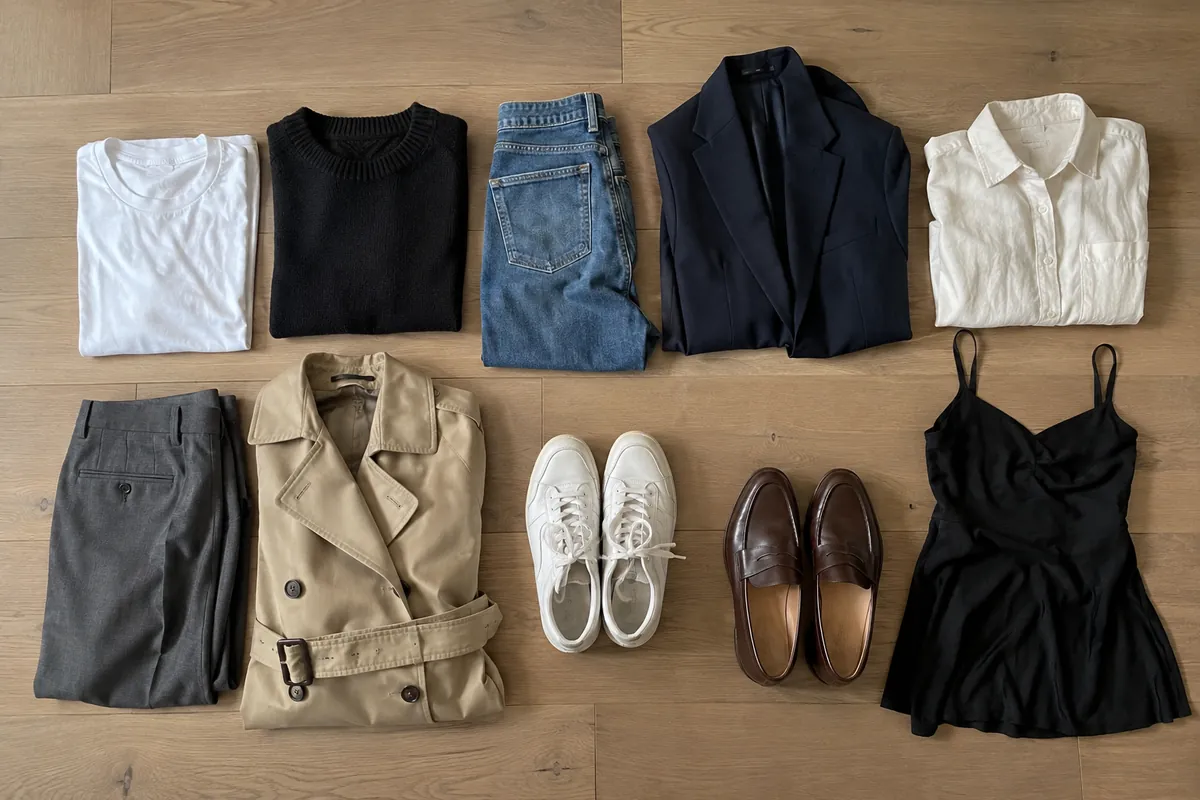
Sales are designed to make unplanned purchases feel reasonable. The best defence is a short list written before you go: the three or four gaps in your wardrobe that you actually need to fill. Anything outside that list is a question for later, not a purchase for today.
Set a price per wear limit
Decide the highest cost per wear you will accept for each category before you shop. For example, you might accept up to $5 per wear for a coat and $3 for an everyday pair of trousers. The cost per wear guide explains how to estimate the number of wears honestly, which is where most sale purchases go wrong.
Check the return and exchange policy
A sale item that cannot be returned is a higher-risk purchase. Check the policy before you pay, especially for final-sale items, and try clothes on in the shop if you can. Fit is the most common reason a discounted piece ends up unworn.
Wait 24 hours on anything you cannot style
If you cannot name at least two outfits for an item in the shop, put it back and wait a day. Many sale impulses disappear overnight. If you still want it the next day and can name the outfits, buy it. If you cannot, you have saved money without any effort.
Buy for gaps, not for trends
Trend items are the most likely to be discounted and the least likely to be worn for long. A sale is the time to fill a real gap, such as a warm layer you lack or a pair of shoes that works with your trousers. Leave the rest.
Common mistakes
The most expensive sale mistake is buying a size up or down to get the discount. Alterations often cost more than the saving, and an item that does not fit will be worn less. Buy the size that fits, even at full price.
Another mistake is shopping the sale section of a shop you rarely use. If the brand does not suit your style, the discount does not change that. Start from your list and check the rest of the shop only when a gap is still open.
Track what you bought
Keep a short note of each sale purchase and whether you wore it within a month. After one or two sale seasons, the pattern will be clear, and you will be better at spotting the discounts that actually save you money.
For the wardrobe plan that sale purchases should fit, read the capsule wardrobe guide.